

Why Does My Jaw Still Hurt Weeks After Tooth Extraction? (And When It’s a Red Flag)
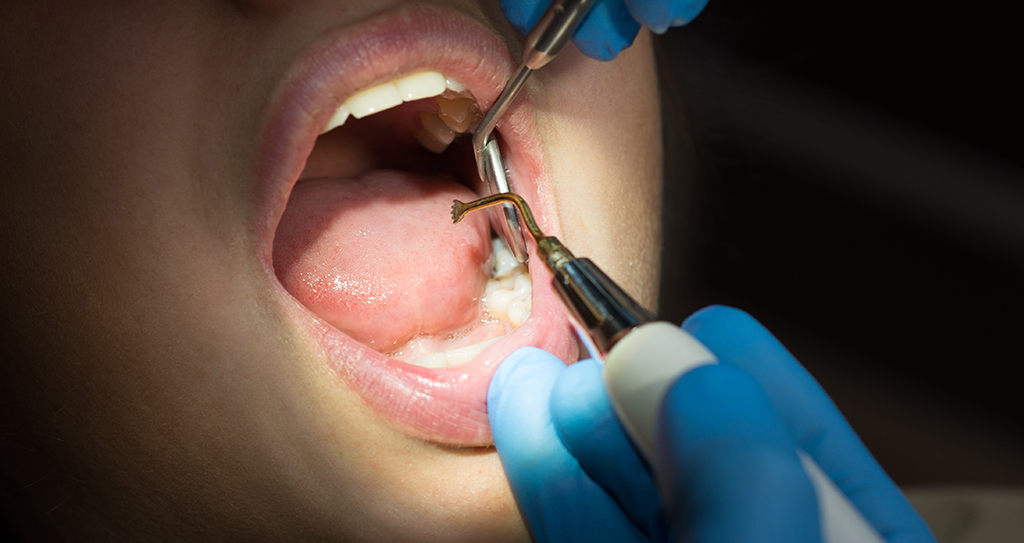 Most patients expect some discomfort after a tooth extraction—but what happens when the pain doesn’t go away?
If your jaw still hurts weeks later, it’s no longer something to ignore. While mild soreness can be part of normal healing, persistent or worsening pain is often your body signaling that something isn’t right.
Understanding the difference between normal recovery and a potential complication can help you avoid delayed treatment—and in some cases, prevent long-term damage.
What Normal Healing Should Feel Like
After a tooth extraction, your body follows a predictable healing pattern. Knowing this timeline makes it easier to recognize when something is off.
First 24 Hours
This is the most intense phase. Bleeding, swelling, and discomfort are expected as the blood clot forms—this clot is essential for proper healing.
Days 2–3
Swelling and soreness usually peak here. You may notice jaw stiffness or difficulty opening your mouth, especially after a difficult extraction.
By the End of Week 1
Pain should significantly reduce. What was once sharp discomfort becomes a mild soreness, and your gums begin to close over the extraction site.
Weeks 2 and Beyond
At this stage, most patients are largely pain-free. You may feel slight pressure as the bone heals internally, but ongoing or increasing pain is no longer normal.
When Jaw Pain Becomes a Warning Sign
If your pain:
- Gets worse after a few days
- Doesn’t improve after 7–10 days
- Radiates to your ear, neck, or head
- Feels sharp, burning, or electric
…it’s time to take it seriously.
These are often signs of a complication that requires professional evaluation.
The Most Common Causes of Lingering Jaw Pain
1. Dry Socket (The #1 Cause of Severe Post-Extraction Pain)
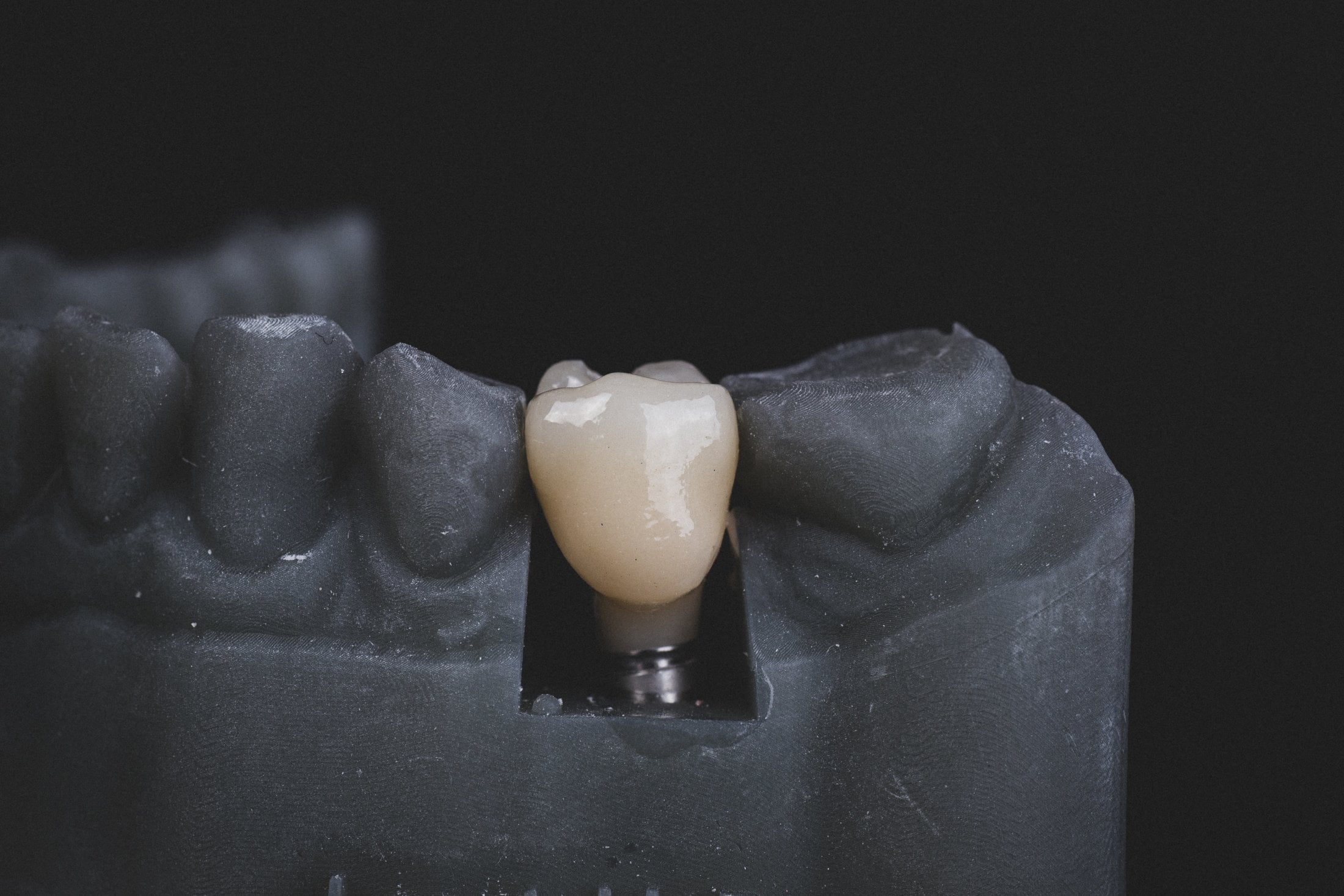 Dry socket occurs when the protective blood clot either dissolves too early or becomes dislodged.
Without that clot, the underlying bone and nerves are exposed—leading to intense pain.
What it feels like:
- Severe, throbbing pain starting 2–3 days after extraction
- Pain spreading to the ear or temple
- Bad breath or unpleasant taste
- An “empty-looking” socket
This condition doesn’t heal properly on its own and requires treatment to relieve pain and restart healing.
2. Infection
An infection can develop if bacteria enter the extraction site.
Key signs include:
- Increasing swelling after the third day
- Redness around the gums
- Fever or chills
- Pus or discharge from the socket
Unlike normal healing, infection tends to get worse—not better—over time.
3. Trapped Bone Fragments
Sometimes, small pieces of bone remain in the socket after extraction.
As your body tries to push them out, they can cause:
- Sharp, localized pain
- A rough or hard sensation in the gum
- Delayed healing
These fragments may need to be removed by your oral surgeon.
4. Nerve Irritation or Injury
This is less common but more serious—especially with lower wisdom teeth.
Nearby nerves can become irritated or damaged during extraction.
Symptoms to watch for:
- Persistent numbness in the lip, chin, or tongue
- Tingling or “pins and needles”
- Burning or electric-like pain
In rare cases, this can develop into a condition known as post-traumatic nerve pain, which requires specialized care.
5. Jaw Joint (TMJ) or Muscle Strain
Sometimes, the pain isn’t from the extraction site at all.
Holding your mouth open during surgery—especially for a long or difficult procedure—can strain your jaw muscles and joint.
Typical symptoms:
- Jaw stiffness or tightness
- Pain near the ear
- Difficulty opening your mouth fully
This type of pain often improves with time, rest, and simple therapy.
Normal Pain vs. Something More Serious
Here’s a simple way to tell the difference:
Normal Healing Pain
- Gradually improves each day
- Feels dull and localized
- Mostly gone within 7–10 days
Potential Complication
- Gets worse after day 3
- Feels sharp, throbbing, or burning
- Lasts for weeks or spreads to other areas
- May include fever, bad taste, or numbness
If you’re unsure, it’s always safer to get checked.
Why Some Patients Are at Higher Risk
Certain factors can increase your chances of developing complications:
- Smoking (one of the biggest risk factors for dry socket)
- Difficult or traumatic extractions
- Poor oral hygiene before or after surgery
- Age over 25, especially with wisdom teeth
- Hormonal factors, including oral contraceptive use
- Not following post-op instructions (like using straws or rinsing too early)
Even one of these can significantly affect healing.
When You Should Call an Oral Surgeon
Don’t wait it out if you notice any of the following:
- Pain suddenly worsens after a few days
- Pain spreads to your ear, eye, or neck
- No improvement after 7–10 days
- Fever, chills, or swelling that’s getting worse
- Difficulty opening your mouth
- Numbness or unusual sensations that don’t go away
Early treatment is almost always simpler—and far more effective.
How These Problems Are Treated
Treatment depends entirely on the cause of the pain.
- Dry socket: Cleaned and medicated dressings placed for pain relief
- Infection: Antibiotics and, if needed, drainage
- Bone fragments: Simple removal to allow proper healing
- Nerve irritation: Medication and monitoring (most cases improve over time)
- Muscle/TMJ pain: Jaw exercises, warm compresses, and supportive care
The key is accurate diagnosis—because each condition requires a completely different approach.
How to Reduce Your Risk After Extraction
The best way to avoid complications is to protect the healing process from day one:
- Avoid smoking before and after surgery
- Don’t use straws or spit forcefully in the first 24 hours
- Stick to soft foods
- Maintain good oral hygiene
- Follow your surgeon’s instructions carefully
These simple steps can make a significant difference in your recovery.
Some discomfort after a tooth extraction is completely normal—but pain that lingers, worsens, or changes in nature is not.
Your body is sending a signal.
The sooner you address it, the easier it is to treat—and the faster you can get back to feeling normal again.
Need Expert Evaluation?
If you’re experiencing persistent jaw pain after an extraction, don’t guess.
A proper evaluation can quickly identify the cause and get you on the right treatment path.
Schedule a consultation today and get clarity—and relief—fast.
Comments are closed.