

Do You Actually Need a Bone Graft? Here’s How to Know
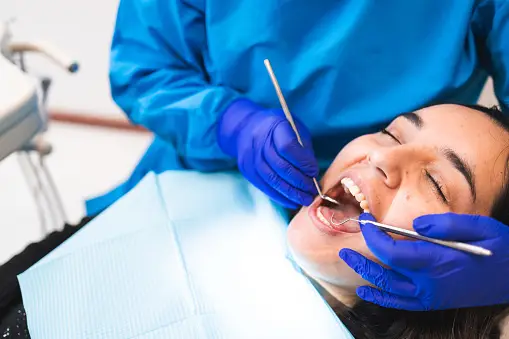
If your dentist or oral surgeon mentions a bone graft, you might be wondering: Do I really need one?
Bone grafting is a common procedure that helps restore the strength and density of the jawbone, particularly before placing dental implants. It rebuilds areas where the bone has weakened or thinned due to tooth loss, gum disease, or injury, creating a strong foundation for future dental work.
Why Bone Grafting Matters
Dental implants rely on a natural process called osseointegration, where the implant fuses with the jawbone. For that to happen, there must be enough healthy bone to hold the implant securely. Without adequate bone, the implant can loosen or fail, and that’s exactly what a graft helps prevent.
Here are some common reasons your oral surgeon might recommend a bone graft:
- Missing Tooth for Too Long
When a tooth is lost and not replaced soon, the surrounding bone begins to shrink due to a lack of stimulation from chewing. Over time, this bone resorption can make the jaw thinner and weaker. If it’s been months or years since tooth loss, a graft is often necessary before an implant can be placed.
- Gum (Periodontal) Disease
Severe gum disease can destroy both tissue and bone around the teeth. Even after the infection is treated, the lost bone might need to be rebuilt through grafting to support a future implant.
- Trauma or Injury
Accidents, facial trauma, or previous dental surgeries can damage the jawbone. A graft can reconstruct the damaged area, restoring proper structure and function.
- Changes in Facial Shape
Bone loss affects more than just your teeth. It can cause subtle facial changes — such as a sunken appearance around the mouth or jawline. Bone grafting restores volume and improves overall facial balance.
- Previous Implant Failure
If an implant failed in the past, the issue might have been weak or insufficient bone. A bone graft can rebuild stability and improve the chances of success during a second attempt.
How Your Oral Surgeon Determines If You Need One
Knowing whether you need a bone graft isn’t guesswork — it’s based on detailed imaging and professional evaluation.
Advanced Imaging
Your oral surgeon will use digital X-rays or 3D CT scans to measure bone height, width, and density. These scans show exactly how much bone is available and whether grafting is needed before implant placement.
Professional Evaluation
Beyond the images, your surgeon will assess your overall oral health, medical history, and goals. If the scan reveals inadequate bone or compromised structure, grafting is usually the safest and most effective next step.
Bone Grafting After Tooth Extraction
Sometimes, a bone graft is placed immediately after tooth removal — a procedure known as socket preservation.
The grafting material is placed directly into the socket to prevent the bone from collapsing and to preserve the shape of the ridge for a future implant.
However, not every extraction requires grafting. The decision depends on factors such as:
- The location of the tooth
- Your age and bone density
- Healing capacity and general oral health
In many cases, socket preservation reduces the need for future surgery and helps keep treatment timelines on track.
Alternatives to Traditional Bone Grafting
Not every patient needs a conventional bone graft. Depending on your situation, your oral surgeon may suggest alternatives that shorten treatment time or eliminate the need for grafting entirely.
Mini Dental Implants
Smaller than standard implants, they require less bone support and can often be placed even when bone volume is limited.
Zygomatic Implants
These longer implants are anchored in the cheekbone (zygoma) rather than the jaw, offering a stable solution for patients with severe upper-jaw bone loss.
All-on-4 Implants
This full-arch restoration uses four strategically angled implants to support a complete set of teeth — often without bone grafting.
PRP Therapy (Platelet-Rich Plasma)
This technique uses your own blood to speed up healing and encourage bone growth after oral surgery.
Your oral surgeon will help you decide which approach fits your anatomy, health, and treatment goals best.
Recovery and What to Expect
Recovery after a bone graft is usually smooth. Mild swelling or discomfort can be expected for a few days, but most patients return to normal routines quickly.
Your surgeon will provide after-care instructions that may include:
- Avoiding pressure or chewing on the grafted area
- Using prescribed antibiotics or mouth rinses
- Eating soft foods for a few days
- Attending follow-up visits to monitor healing
It typically takes three to six months for the graft to fully integrate with your natural bone before an implant can be placed.
The Bottom Line
Whether you actually need a bone graft depends on your jawbone health, how long your tooth has been missing, and your overall treatment plan.
A bone graft might sound intimidating, but it’s a safe, predictable, and often necessary step toward ensuring your dental implants last for decades. The procedure strengthens your jaw, restores natural contours, and helps you regain full chewing function and confidence in your smile.
At Steve Bureau, Oral & Maxillofacial Surgery, we use advanced 3D imaging, gentle surgical techniques, and high-quality grafting materials to make every procedure as comfortable and successful as possible.
If you’re considering dental implants or have been told you might need a bone graft, we’re here to help you understand your options and guide you through every step of the process.
📞 Book your consultation today and take the first step toward a stronger, healthier smile.
Comments are closed.