

Is Constant Gum Chewing Harmful? A Balanced Look at Jaw Health and Everyday Habits
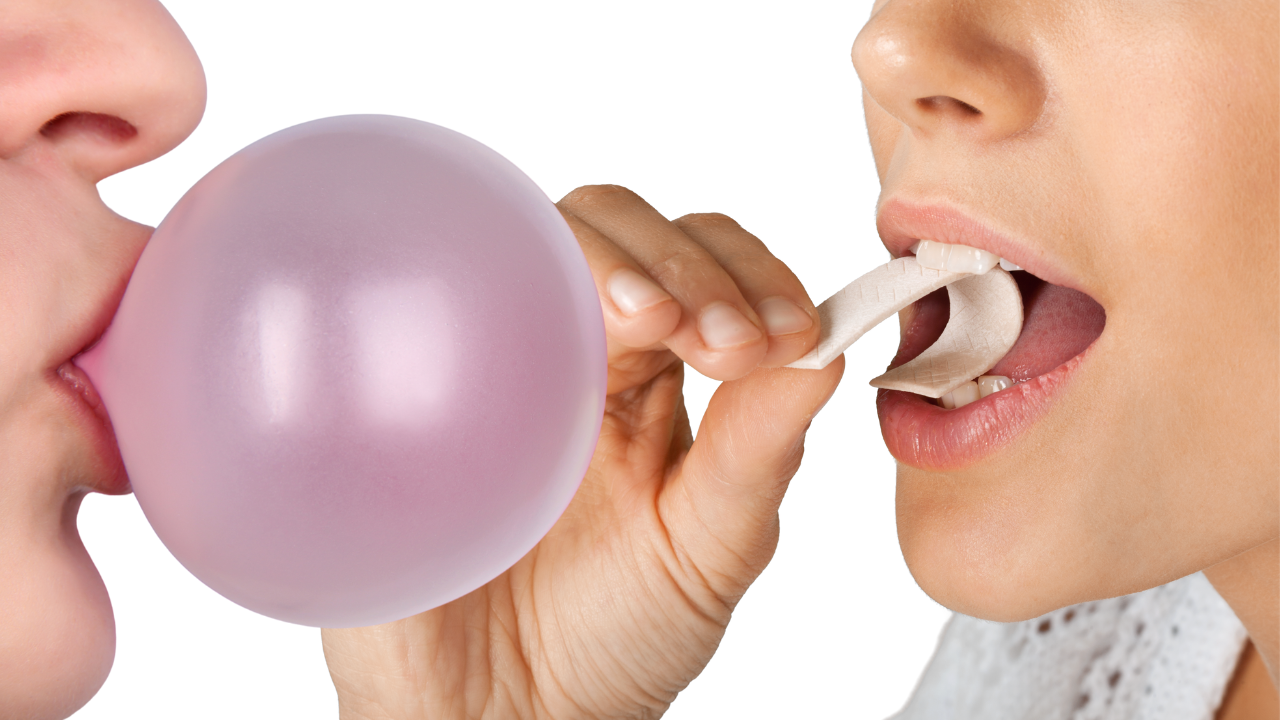 Chewing gum is a widespread habit, offered for fresh breath, cognitive sharpness, or simply for enjoyment. Yet, when this seemingly innocent routine becomes constant, it may pose risks to jaw health. Let’s examine the scientific evidence and provide practical recommendations for safer gum-chewing habits.
The Benefits of Sugar-Free Gum (Used Right)
-
Protects teeth post-snacks
Chewing sugar-free gum after eating boosts saliva production. This extra saliva helps wash away acids and food particles, reducing the risk of cavities and protecting tooth enamel, especially if you can’t brush right away. -
Helps with dry mouth and bad breath
The saliva triggered by gum may relieve dry mouth and freshen breath by clearing food debris and neutralizing smells. -
Remineralizes enamel
It’s not just washing things away—saliva also carries minerals like calcium and phosphate to strengthen enamel, and gum with xylitol can aid this process. -
Xylitol’s tooth-friendly properties
Xylitol, a common sugar-free sweetener, reduces cavity-causing bacteria and slows decay. It targets the bacteria that attack enamel and may even reverse early damage.
The Risks of Excessive Gum-Chewing
-
Jaw strain and TMJ trouble
Chewing gum all the time can put excessive pressure on your jaw joints (the TMJ) and muscles. This often leads to pain, clicking, popping, muscle fatigue, or headaches, and can even trigger or worsen TMJ disorders. -
Potential damage to dental work
Sticky or persistent chewing can loosen crowns, fillings, braces, or other dental restorations over time. -
Digestive discomfort from sugar alcohols
Ingredients like sorbitol and xylitol, though cavity-friendly, can cause bloating, gas, or diarrhea—especially if you chew a lot of gum or have digestive sensitivities.
Moderation Is Key: Smart Gum-Chewing Tips
| Tip | What to Do |
|---|---|
| Choose sugar-free gum (especially with xylitol) | These protect your teeth without feeding bacteria. |
| Chew only after meals—about 20 minutes | This gives you the saliva boost you need without overloading your jaw. |
| Avoid chewing when experiencing jaw discomfort | If you notice clicking, pain, or stiffness, take a break and see a professional if it continues. |
| Never replace brushing or flossing with gum | Gum can help—but it’s only a supplement to solid oral hygiene practices. |
Chewing sugar-free gum, especially with xylitol, can offer genuine oral benefits, like increased saliva, enamel protection, fresh breath, and even reduced cavities. That said, constant or vigorous chewing can strain your jaw, wear out dental work, and upset your stomach.
The best approach? Chew strategically, not habitually. Treat gum as a helpful tool, not a crutch, and always pair it with proper brushing, flossing, and regular check-ups.
Comments are closed.